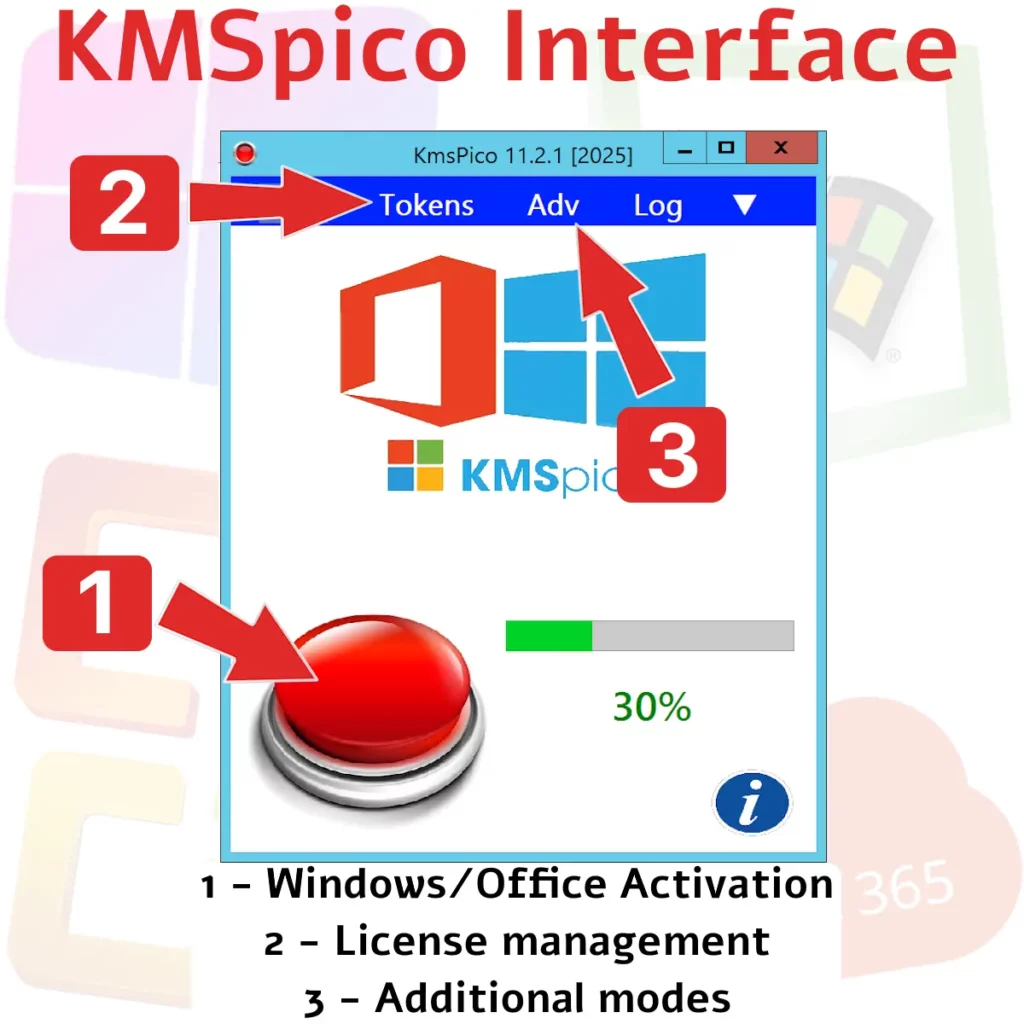
In the world of software licensing, activating operating systems is a critical process. This ensures not only compliance with software agreements but also access to updates and support. One tool continually discussed in this sphere is the windows 11 activator. This article delves into activation trends within modern operating systems, highlighting essential tools and practices used for this purpose.
The Rise of Windows 11 Activator
The release of Windows 11 brought new features and improved security measures, prompting users to seek efficient ways to activate their systems. A windows 11 activator can be a crucial tool for users wanting to unlock functionalities without delay. These activators are designed to bypass the need for a product key by emulating legitimate activation processes. As technology continues to evolve, the demand for these activators reflects a broader trend towards flexibility and user-friendliness in software management.
Windows 11 has introduced a host of new features that enhance user experience, from streamlined interfaces to enhanced security protocols. For many users, accessing these features promptly is vital, which is where a windows 11 activator becomes invaluable. It offers a way to bridge the gap between waiting for official activation and immediately enjoying all that Windows 11 has to offer.
Windows Activator Tools in Context
Various tools have emerged over the years to facilitate OS activation. Among these, KMSpico stands out as a popular choice for users looking to activate both operating systems and office suites like MS Office. The windows 11 activator, alongside options like kms pico activator, offers a simplified route to system validation. Users often appreciate how these tools simplify what can otherwise be a complex and time-consuming process.
These activators are particularly appealing because they provide immediate solutions without requiring technical expertise from users. They automate many of the steps involved in activation, making them accessible even to those who might not be familiar with the intricacies of software licensing.
Understanding Digital Entitlement
Digital entitlement has become a favored method of activation in recent iterations of Windows. It eliminates the traditional reliance on product keys, instead linking your digital license with your hardware configuration. While this eases the activation process, many still explore windows 11 activators as additional insurance or flexibility against hardware changes.
This approach highlights an important shift in how software licensing is perceived; it’s about creating seamless user experiences while maintaining effective control over software distribution. Digital entitlement offers peace of mind by ensuring that your software remains active regardless of hardware changes.
Activation Tools and Software Licensing Dynamics
Software licensing mechanisms must evolve with technological advancements. The introduction of windows 11 activator tools has shifted how licenses are managed, especially when it comes to large deployments or educational environments where costs and ease of administration are paramount.
The dynamics of software licensing have always been influenced by economic factors and technological innovation. As organizations seek cost-effective ways to manage large numbers of licenses, tools like windows 11 activator provide an attractive solution that balances efficiency with affordability.
Legal Considerations with Activation Tools
The use of third-party activators often raises legal concerns. While they provide immediate access to full features, they may breach terms of service agreements. Organizations need to weigh the benefits against potential risks carefully when considering such tools as windows 11 activator or kmspico for system validation.
It’s crucial for businesses and individual users alike to consider the legal implications of using unauthorized activation methods. While these tools may offer short-term convenience, they can lead to long-term consequences if they violate licensing agreements or corporate policies.
Product Key Management
Traditional methods involving product keys remain relevant, especially for enterprises that require robust compliance policies. While a windows 10 activator free download might offer quick solutions, organizations often rely on licensed software with proper documentation for audit trails.
Product key management ensures transparency and accountability in software usage within corporate environments. It allows for accurate tracking and reporting during audits, which is essential for maintaining compliance with industry regulations.
The Role of KMS in Modern Activations
KMS (Key Management Service) continues to be an integral part of activation strategies for both Windows operating systems and Microsoft Office products like Office 2019. It operates by establishing local network-based activation solutions that are particularly suited for corporate environments.
KMS provides a scalable solution that aligns well with enterprise needs, offering centralized control over multiple installations across diverse locations. Its ability to function seamlessly within existing network infrastructures makes it an ideal choice for large-scale deployments.
The Utility of KMS Pico Activator
The kms pico activator is renowned for its ability to automate these processes seamlessly. Functioning as both a windows 11 activator and an activation tool for office suites, it exemplifies how automation enhances deployment efficiency.
KMS solutions align well with digital entitlement principles, streamlining activation across numerous PCs without individual product key entries.
This automated approach not only saves time but also reduces errors associated with manual entry during mass deployments. By leveraging tools like kms pico activator, IT departments can ensure consistent application across all devices within their network.
Deployment Constraints
A typical lab setup might include virtual machines configured with a minimum requirement of 2 vCPU and 4 GB RAM per instance. Ensuring proper resource allocation ensures smooth operation during bulk activations using tools like kmspico or broader KMS strategies.
Effective planning around deployment constraints helps avoid bottlenecks or downtime during critical operations such as system rollouts or updates—key considerations when implementing any large-scale activation solution.
Evolving Strategies: From Windows 10 to Windows 11
The transition from Windows 10 has highlighted the importance of adaptable activation solutions. As organizations upgrade en masse, understanding both traditional and modern approaches like aktivasl windows 10 kmspico becomes vital.
Maintaining access to legitimate updates and support hinges on robust licensing strategies that integrate well with emerging technologies.
This evolution requires organizations not only focus on current needs but anticipate future changes as well—ensuring sustainable practices remain at forefront amidst rapid technological advancements such as those seen between versions nine through eleven!
Command Line Utilities: Enhancing Activation Efficiency
DISM (Deployment Imaging Service Management) commands play a crucial role in managing system images across networks efficiently. In environments deploying tools such as windows 11 activators or MS office activators DISM aids in maintaining consistency reliability across installations.
By incorporating both command line utilities GUI-based solutions IT departments optimize their operational workflows ensuring all employees enjoy seamless experiences no matter where they work remotely locally alike!
In conclusion while concept using window’s eleven-activators remains prevalent among users seeking immediate solutions organizations must consider comprehensive strategies incorporate legal compliance system administration efficiency balancing elements ensures sustainable management practices today’s rapidly evolving digital landscape.